Permanent Exhibit
Introducing Hanyang University Museum.

In Korea, various types of tombs have been constructed since the Prehistoric period, and this tradition continued into the Historical period, with their traces still vividly visible today. The term Ancient Tomb historically refers to old burial sites, but specifically denotes the representative tombs of the ruling class in each era. An Ancient Tomb has a standardized form, featuring a wide tomb area, a large mound, and funerary objects (grave goods). Therefore, Ancient Tombs serve as important materials for understanding the political and social status of the deceased, as well as the prevailing conditions and society of the time. This exhibition focuses on funerary objects excavated from Ancient Tomb Complexes and is dedicated to understanding the society of the Goryeo Dynasty.
Major Artifact
Ansan Daebudo historical sites
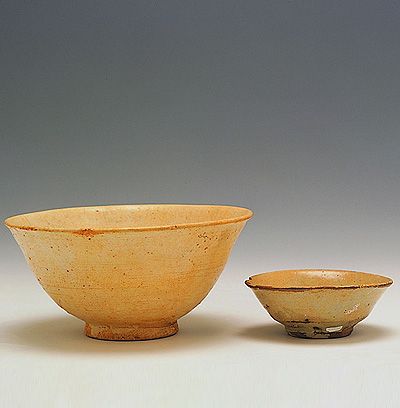
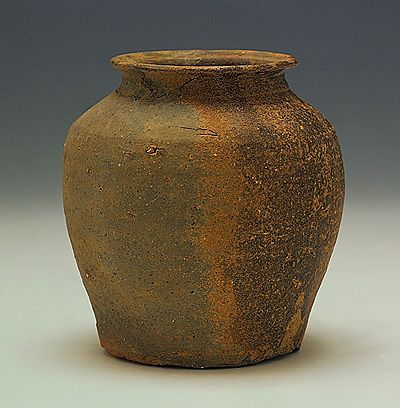
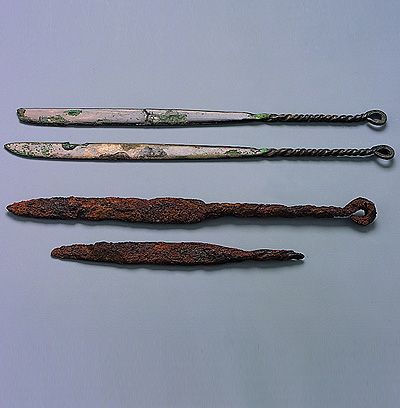
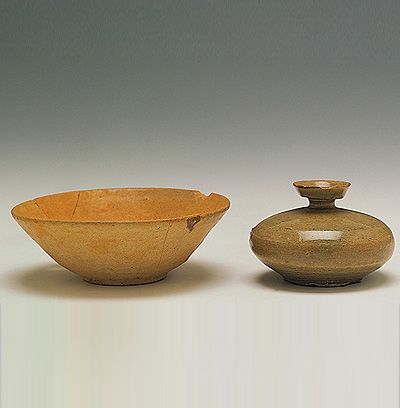
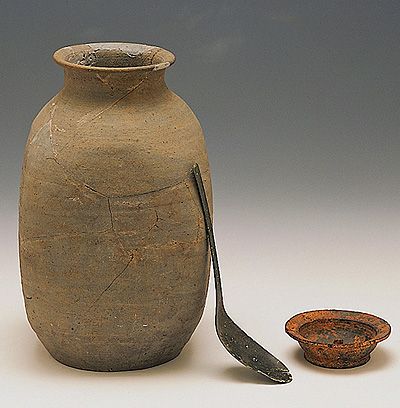
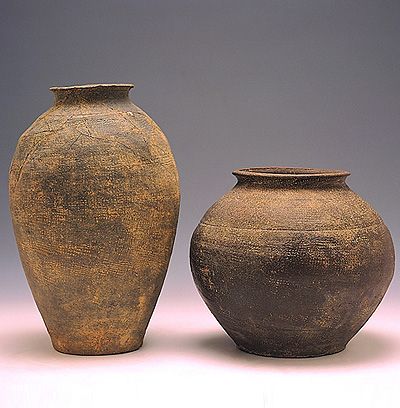
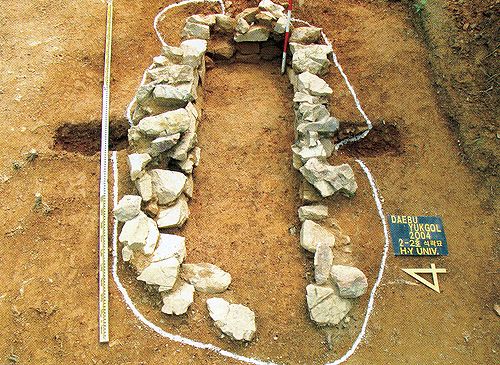
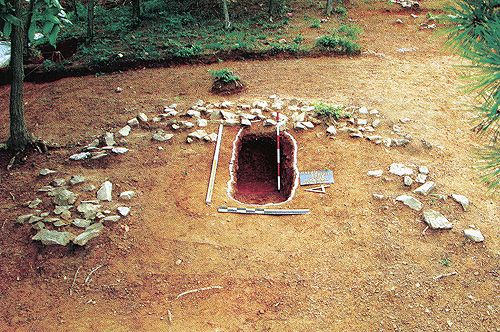
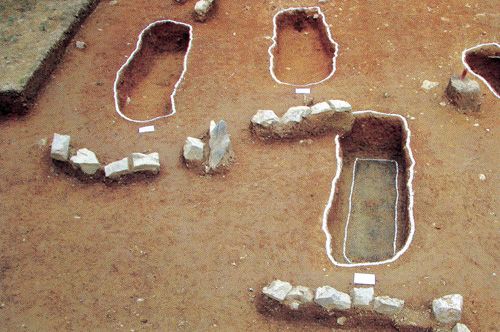
The Ansan Daebudo Site is an Ancient Tomb Complex from the Goryeo Dynasty, located on Daebudo Island in Ansan-si, Gyeonggi-do. It is estimated to have been constructed from the 12th century to the first half of the 15th century (mid-Goryeo period). Excavation revealed burial methods such as Earthen Pit Burials (土壙墓) and Stone-Lined Pit Burials (石槨墓). Various forms of Celadon and Chinese coins, including 'Sungnyeong Jungbo' (崇寧重寶), were excavated together.
상세보기